
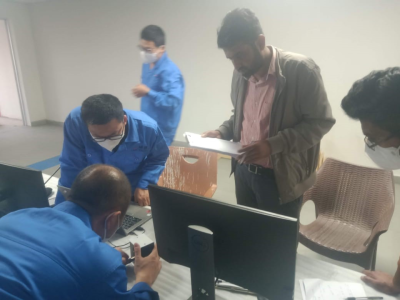
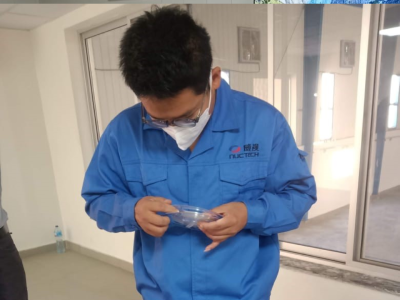

A delegation of Chinese engineering experts visited ATCOP (Al-Technique Corporation of Pakistan Ltd.), a key institution under the Pakistan Atomic Energy Commission (PAEC). The visit was more than just a formal tour—it highlighted Pakistan’s strides in high-tech sterilization, desalination, and medical device services, and offered an opportunity for mutual learning and technology exchange. Here is a closer look at what unfolded.
Introducing ATCOP: An Overview
ATCOP has positioned itself as a multifaceted facility working across a number of sophisticated areas:
-
Radiation sterilization services: including E-Beam (Electron Beam) and PARAS Gamma Plant installations; atcop.com.pk
-
Water treatment / Desalination: sea water reverse osmosis (RO) plants and turnkey solutions for water scarcity challenges; atcop.com.pk
-
Medical & diagnostic equipment: with adherence to ISO standards (ISO 13485 for medical devices, ISO 11137 for sterilization via radiation, ISO 9001 for quality management) to ensure products and services meet international benchmarks. atcop.com.pk
-
Solar power, geotechnical services (SOILCON), and other specialized industrial services. atcop.com.pk
The scope and technical sophistication of ATCOP make it an interesting site for collaboration, particularly for countries looking to scale up in similar sectors.
What the Chinese Engineers Saw & Learned
During their visit, the Chinese team toured several of ATCOP’s key installations and engaged in technical discussions. Below are some of the observations and take-aways:
-
Sterilization Technologies
The team was particularly interested in ATCOP’s Electron Beam (E-Beam) units and the PARAS Gamma Plant. These are cutting-edge in terms of sterilizing pharmaceuticals, medical disposables, and packaging without the need for harsh chemicals. The precision, speed, and reduced environmental footprint of E-Beam stood out. -
Quality Assurance & Standard Compliance
A major strength of ATCOP noted by the visiting engineers was its commitment to global quality standards (ISO 13485, ISO 11137, ISO 9001). This ensures that the sterilization and medical device production processes are rigorous, traceable, and internationally credible. -
Desalination / Water Treatment
Faced with mounting water scarcity in many regions, China’s engineers showed interest in ATCOP’s designs for containerized and modular reverse osmosis plants. These systems, which are developed locally, help reduce dependency on imported solutions and increase adaptability for different sites. -
Local Innovation & Self-Reliance
The visit underscored ATCOP’s role in reducing import dependency in medical equipment and sterilization services. Chinese experts appreciated how locally built ventilators, diagnostics, and sterilization plants can make healthcare infrastructure more resilient. -
Sustainability Considerations
Given global concerns with energy use, waste, and environmental impact, the Chinese engineers were curious about how ATCOP integrates solar power and energy-efficient designs in its operations. The potential to adopt or adapt these to other contexts was explored.
Potential Areas of Collaboration
From discussions during and after the visit, several areas emerged where Pakistan (via ATCOP) and China could collaborate:
-
Technology Transfer: Sharing best practices in E-Beam calibration, radiation safety, and operation.
-
Joint R&D: Particularly in sterilization methods, water desalination technologies, and medical device development.
-
Scaling Up: Helping ATCOP scale its output to serve regional or international markets, with China perhaps assisting in investment or joint venture models.
-
Training & Capacity Building: Chinese institutions could assist in training Pakistani engineers and staff in advanced techniques, safety, and quality control.
-
Energy Integration: Using more renewable energy (solar, etc.) to power high-energy equipment like E-Beam units, reducing carbon footprint and operational costs.
Reflections: What This Visit Means for Pakistan’s Engineering Landscape
-
Boosting Domestic Capability: The visit reaffirms that Pakistan is developing strong domestic capabilities in areas once heavily dependent on imports. This strengthens national self-reliance in healthcare, sterilization, and water security.
-
International Recognition: Hosting foreign experts of China’s engineering calibre signals ATCOP’s growing reputation. It may open doors to further foreign investment, technical collaboration, and export opportunities.
-
Challenges Remain: To fully leverage potential, ATCOP will need to ensure continued standards compliance, maintain skilled human resources, manage costs (especially energy), and ensure reliable supply chains for spare parts and raw materials.
-
Setting a Model: ATCOP’s integrated model—combining sterilization, medical device infrastructure, desalination, etc.—could serve as a blueprint for other developing regions. Cross-border collaboration could multiply its impact.